We're Open Today! Sales: 9 AM-7 PM
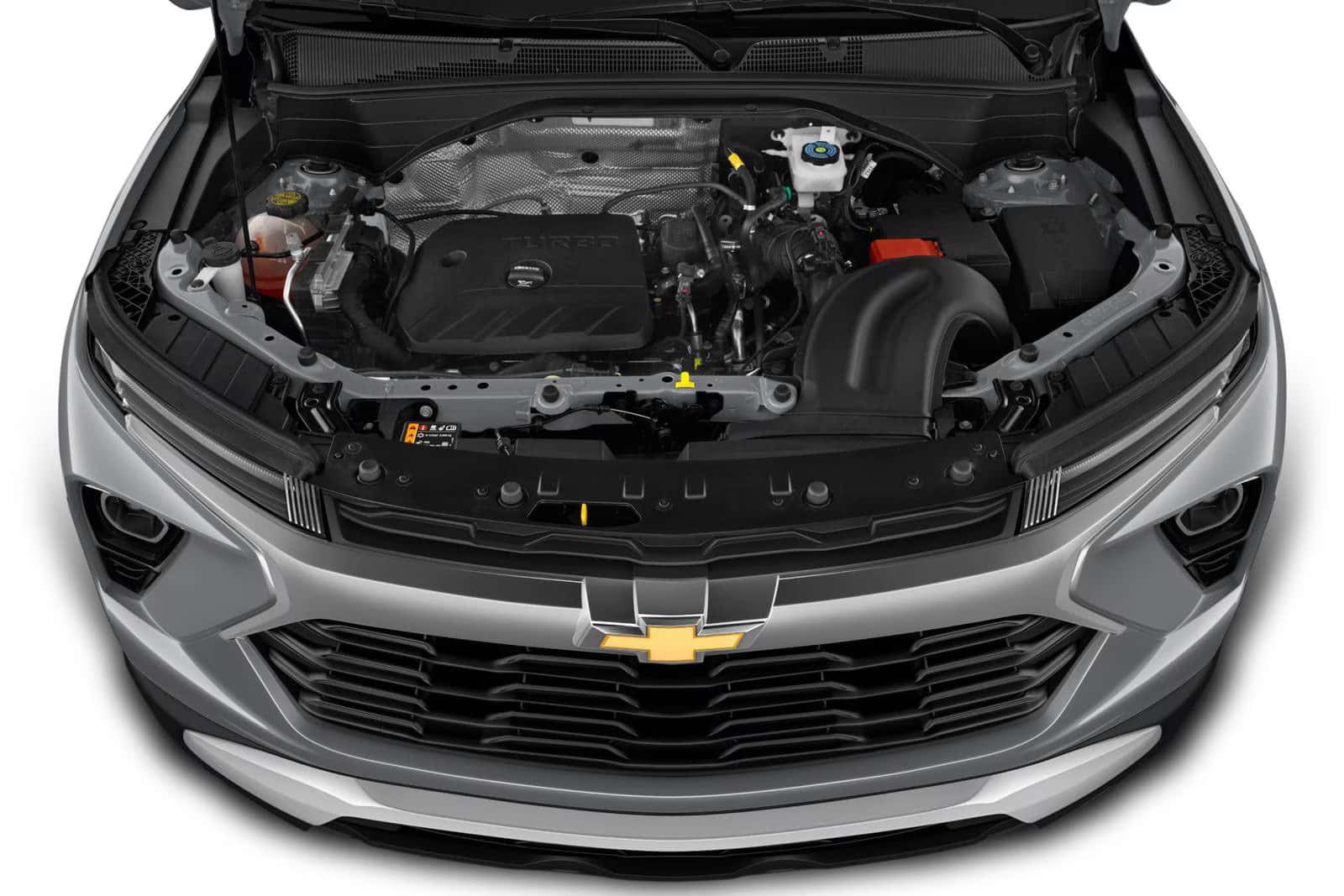
The 2026 Chevrolet Trailblazer is built on a robust global platform designed to handle everything from Ohio highways to unpaved farm lanes. However, because it relies on high-tech turbocharged engines (the 1.2L and 1.3L EcoTec), it requires strict adherence to its maintenance schedule.
At Chesrown Chevrolet, we have seen these engines pass the 100,000-mile mark with ease, if they are serviced correctly. This guide serves as your “Cheat Sheet” for keeping your Trailblazer running like new.
Save this chart for your records.
| Component | Specification | Capacity | Why It Matters |
|---|---|---|---|
| Engine Oil | 0W-20 dexos1™ Gen 3 | 4.2 – 4.8 Quarts (Verify via Dipstick) | Gen 3 oil protects against LSPI (knock) in small turbo engines. |
| Coolant | DEX-COOL® (Orange) | 7 Quarts | Prevents the turbo from overheating during summer driving. |
| Transmission (FWD) | CVT Fluid (Green Label) | Check Level at Dealer | Requires specialized fluid. Do not use generic ATF. |
| Transmission (AWD) | DEXRON®-VI ATF | Check Level at Dealer | Keeps the 9-speed transmission shifting smoothly. |
| Fuel | 87 Octane (Top Tier™) | 13.2 Gallons | Detergent gasoline prevents carbon buildup on intake valves. |
Chevrolet recommends a service visit every 7,500 miles. This is the “Sweet Spot” for tire rotations and oil life.
Since users frequently search for 2026 trailblazer transmission, here is the expert advice:
 |
|
|---|
Is the 3-cylinder engine reliable? Yes.
The 1.3L EcoTec engine features a variable displacement oil pump and an electric water pump. This means the engine can cool itself even after you turn the car off, preventing heat soak.
The Golden Rule: Always let the engine idle for 10–15 seconds before shutting it off after a hard highway drive. This cycles oil through the turbo bearings one last time.
Do not trust your turbo engine to a generic quick-lube shop that might use the wrong oil weight.

